
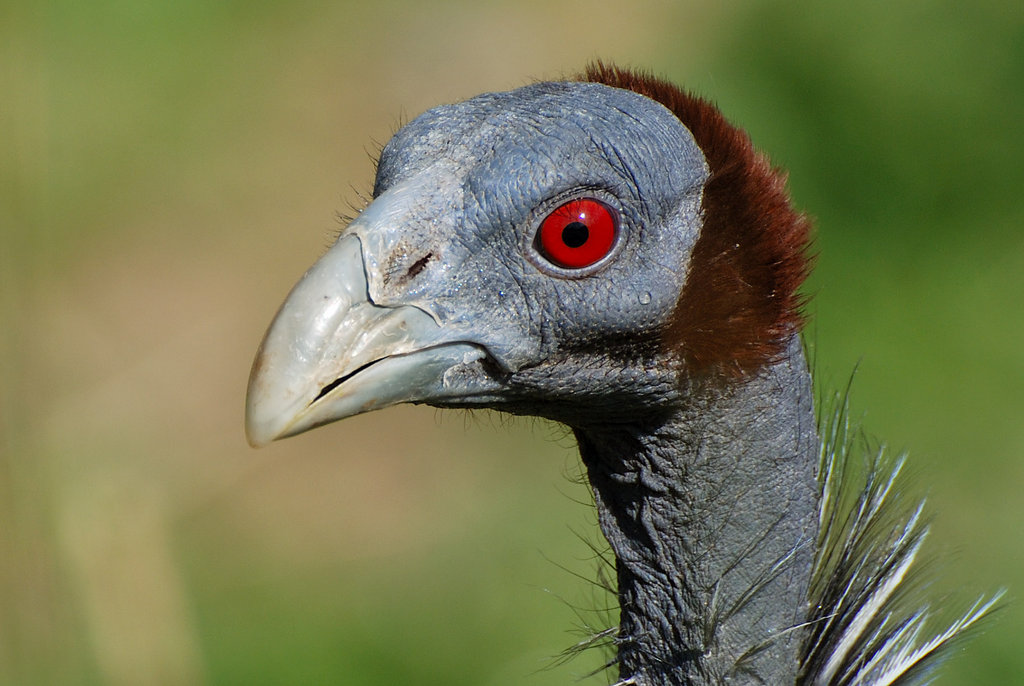
I often get asked, “what’s your favorite bird?” I don’t have one. They are all fascinating, from the common European Starling to the rare Kagu. Some have striking coloration, others display complex or bizarre behaviors, and some are just impressive for their size. Some are ugly. But they are all cool.
Another question, though, is “how do I keep __________(fill in the blank) from my bird feeder?” People don’t like jays or crows at their feeders or hawks nearby eyeing the feeder’s customers. Well, the answer is, “why do you want to?” Jays and crows and starling and House Sparrows and maybe pigeons will come to your feeder because you are offering them food. It’s like hanging a sign on your front door saying “free meals” and then being disappointed because the right people aren’t showing up. As long as you offer bird food, a variety of birds will arrive; enjoy them all. If you’d rather not have jays, offer only small seeds. But the more limited your offerings, the more limited the bird species that will show up. And hawks hanging around? They have to eat, too.
Years ago some woman donated a large chunk of money to the local Audubon Society with the caveat that it not be used for hawks. Now I don’t how you can effectively use a small fortune to help birds but not the raptor kind. And you hear people demean sparrows, pigeons, and starlings regularly – they are pests, ugly, etc. I call this “birdism.”Why do we judge birds this way? The Rock Pigeon has a fascinating history, being a messenger through the ages and an essential form of communication on WWI battlefields. The House Sparrow, probably the most famous bird in the world, has been involved in at least 5000 research publications. The European Starling has a very interesting natural and human-related history, not the least of which is its connection to Shakespeare and its importation into the U.S.
Today I strolled through my backyard and watched the elegant Black Phoebes sally forth from their perch to gather an insect or two and then fly to their mud nest on my stucco house. I observed a Nuttall’s Woodpecker hop from oak to oak in search of insect prey, all the while keeping one step, actually one tree, ahead of me. When I reached my winter garden, I noticed a White-crowned Sparrow using a plastic owl for a perch to get a bird’s-eye view of my spinach. Down at the creek I spied a Yellow-legs searching for aquatic insect larvae; the bird took off rapidly with its distinctive “tu-tu” call . Listen here.
Sitting peacefully on my deck, I am often approached closely by California Towhees, one of the drabbest of birds. But their curiosity, habit of scratching the ground, and their mouse-like run make them so, well, cute!
So, don’t just quickly glance at the birds outside your window and decide you like some better than others. They are all lovely.
cool.
I believe every bird is beautiful but I have a parrot as a pet and I love him more than anyone in my life. It’s like my baby. So, for me parrots are the best.
Offering a variety of seeds really does attract a colorful mix of birds, creating a lively backyard experience. Those wanting fewer jays might try sticking to small seeds only. Curious about more tips? Check out what Cheetos phone number recommends for feeding strategies—it’s surprisingly practical for attracting different species while keeping hawks in mind.
People don’t like jays or crows at their feeders or hawks nearby eyeing the feeder’s customers.
I love this philosophy so much. Enjoying all visitors for who they are, rather than judging them against a narrow ideal, is a lesson we can all take to heart. It clearly brings you a lot of peace and fascinating observations in your garden. That same open-hearted approach is something I value, whether in nature or in how I choose to connect with others, which is why I appreciate straightforward spaces like https://rewazea.com/ – thank you for the lovely reminder.
This article perfectly captures why we shouldn’t judge birds by arbitrary standards—every species has intrinsic value and fascinating stories. Your point about ‘birdism’ really resonates; it’s a reminder to appreciate diversity rather than dismiss it.
I really appreciate your perspective on “birdism”—it’s so easy to get caught up in favoring the “prettier” species while forgetting how fascinating the common ones are. The story about the woman who donated money specifically to avoid helping hawks is wild, but it perfectly illustrates the bias so many people have. Your point about the feeder being an open invitation to everyone is a great reality check for those of us who complain about uninvited visitors.
What a refreshing take on birdwatching. I used to overlook the plain sparrows and starlings at my feeder, but spending time with them has shown me each one has its own little personality, just as captivating as the showier species. Your birdism framing really puts words to something I have felt for a while. I recently started turning some of my feeder clips into short videos using Bernini AI — it has been a lovely way to share these everyday moments with friends.
I really enjoyed reading your thoughts about appreciating every bird species instead of judging them by appearance. The idea of “birdism” is a great reminder that even common birds like sparrows and starlings have fascinating behaviors and important roles in nature. Your backyard observations make birdwatching feel more meaningful and enjoyable.
The “birdism” framing is sharp—we definitely judge birds by arbitrary aesthetic standards while dismissing species like starlings and pigeons that have genuinely remarkable histories. Your point about the Audubon donor’s anti-hawk stipulation is ridiculous in the best way; it exposes how personal preferences masquerade as conservation logic. I use Halloween game troubleshooting when I want to refresh my memory on species behavior before judging them too quickly, and it’s helped me appreciate the overlooked ones way more than I expected.