
A Bird Species

Falconry

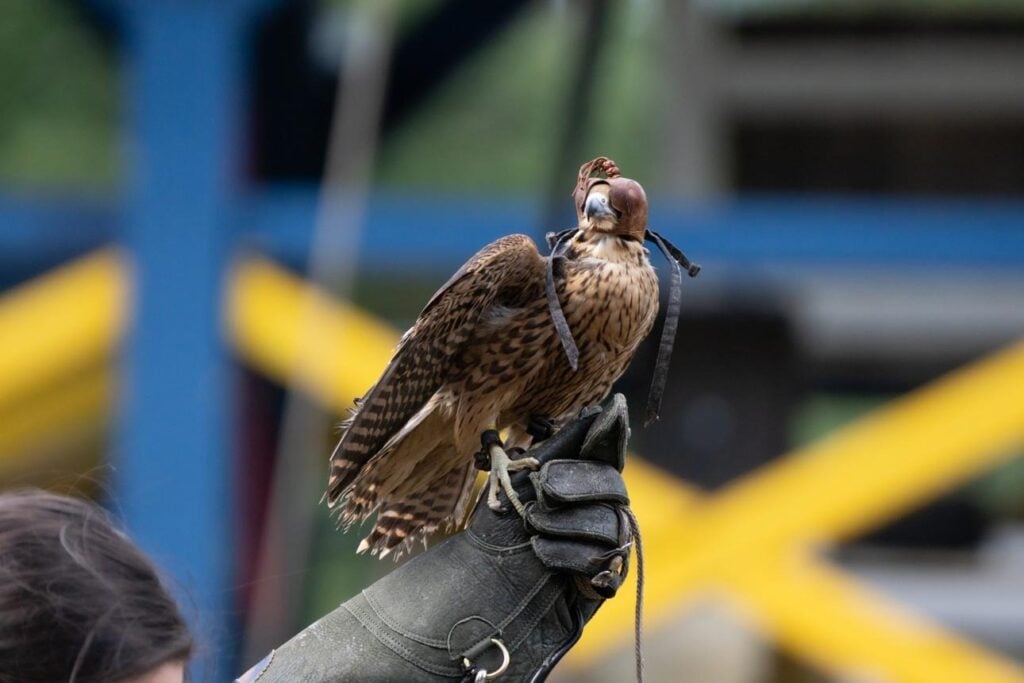
Falconry—the art and practice of hunting wild quarry with trained birds of prey—is one of humanity’s oldest and most refined partnerships with the natural world. Its origins stretch back at least 4,000 years, with early evidence from Mesopotamia and Central Asia. Over time, it spread across Europe, the Middle East, and Asia, becoming both a […]

Falconry Read More »

Red Hawks

The Red-tailed Hawk (along with the Cooper’s and Sharp-shinned Hawks) was once called a “Chicken Hawk,” and the Red-shouldered Hawk was known as the “Hen Hawk.” Undoubtedly, they took a few chickens—but only rarely. Like most stories of wild predators attacking domestic animals, their impact was greatly exaggerated. There’s one story about a farmer who

Red Hawks Read More »

The Snakebird

I like to alternate my posts between scientific and philosophical musings with looks at some interesting birds. Today the bird is the Anhinga. The word “anhinga” is derived from the native Brazilian Tupi-Guarani language word “ana’ĩnĩa,” which translates to “devil bird”, “snake bird” or “evil spirit of the woods.” The Tupi people (one of the

The Snakebird Read More »

The Secretarybird

The Secretarybird –Sagittarius serpentarius. The common name comes from the feathers of the head crest which resemble  quill pens. Sagittarius, from the Latin, means “arrow or archer” and refers to the way an archer walked while stalking prey; serpentarius means “serpent handler” from the bird’s supposed affinity for snakes. They are endemic to Africa where

The Secretarybird Read More »

Laughing Gull

The Laughing Gull, Leucophaeus atricilla. Gulls are not to be dismissed as just annoying picnic intruders. Some say they are actually “noble.” “Gull” from old Norse, means unhatched or new bird. Leucophaeus, from ancient Greek, means “dusky white.” From the Latin, atricilla means “black tail.” The adult Laughing Gull is easily identified by its contrasting

Laughing Gull Read More »